
California Life Sciences
California Life Sciences Institute is a non-profit 501(c)(3) established in 1990 as the Bay Area Bioscience Center (BayBio Institute) by the founders of biotechnology, a consortium of public officials, and educators who saw a need to maintain and promote the intellectual and educational climate of the region. In 2006, the organization divided its activities into two separate but coordinated entities: the BayBio Institute and the BayBio Association, a 501(c)(6) trade association. The Institute continued its critical focus on supporting California’s innovation pipeline through programs in education, workforce development and entrepreneurship. In 2015, the BayBio Institute became the California Life Sciences Institute, and BayBio merged with the California Healthcare Institute to become the California Life Sciences Association (CLSA).
In 2021, the Institute and CLSA brought their activities together under the umbrella of California Life Sciences, a strong, united effort to serve the full California life sciences ecosystem by driving solutions on issues of importance for the communities, businesses and customers we serve. California Life Sciences remains committed to serving as a resource for educators, entrepreneurs, diverse professionals, and those who can serve as collaboration partners across the entire biopharma lifecycle.
Mission
To maintain California’s leadership in life sciences innovation through support of entrepreneurship, education and career development.
Impact Statement
The California Life Sciences Institute supports California’s innovation pipeline, comprised of students, educators, entrepreneurs, and scientists who are fueling the next generation of life sciences discovery to promote healthier lives around the world. Through community programs and partnerships, we aim to inspire and develop talent and innovation while supporting some of the state’s most compelling researchers and startups through commercialization of their discoveries. We engage with school districts, community colleges, four-year academic institutions, community-based organizations, civic leaders, and other industry stakeholders at all stages of scientific careers to strengthen California’s life sciences ecosystem and expand opportunities across the state.
Board of Directors
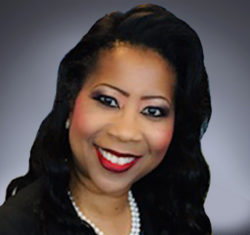
Lesley Calhoun, Treasurer
EVP & CFO, Aligos Therapeutics
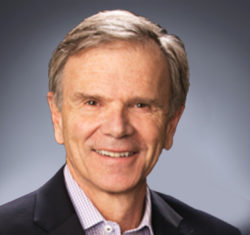
Frederick Dorey, Chair
Special Counsel, Cooley Godward Kronish, LLP
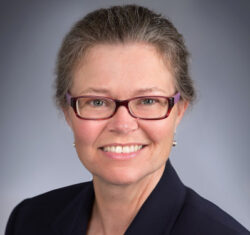
Jayne McNicol, CLSI President
Chief Financial Officer, CLS
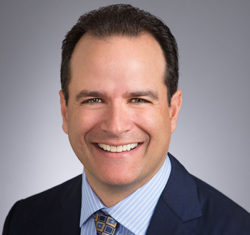
Mike Guerra
President & CEO, CLS