
Where Progress Lives – March 2026
- The SBIR/STTR programs approach reauthorization after a five-month lapse, unlocking nearly $6 billion in frozen funding for small biotech companies.
- Roche, Eli Lilly, and Novartis each deepened AI investments in 2026, with the Lilly-NVIDIA lab alone representing up to $1 billion in committed capital.
- Servier agreed to acquire CLS member Day One Biopharmaceuticals for ~$2.5 billion, gaining the only FDA-approved treatment for pediatric low-grade glioma.
- On March 25, CLS and AdvaMed led a full day of advocacy in Sacramento, giving medtech leaders, researchers, and patient advocates the opportunity to discuss the innovation happening across the state
Each month, California Life Sciences (CLS) President and CEO Mike Guerra shares what’s shaping the life sciences industry, highlights the conversations that matter most to members, and offers a window into what the CLS team is working on.
March brought a lot worth reflecting on, including important policy progress, transformative collaborations, and productive days of advocacy.
A win for small biotech: SBIR/STTR reauthorization
One of the most significant developments this month was the progress made in the reauthorization of the Small Business Innovation Research (SBIR) and Small Business Technology Transfer (STTR) programs. After a five-month lapse that left nearly $6 billion in funding frozen for small, innovative companies, the Senate acted with bipartisan support to move this critical legislation forward. The House followed, and the measure is now headed to the president’s desk. These programs are powerful tools for growing and fostering innovation, ensuring that early-stage companies have access to the capital they need to tackle the most pressing medical and scientific challenges we face today.
We, alongside our colleagues at the Council of State Bioscience Associations (CSBA), applaud this action and look forward to swift implementation that strengthens local biotech hubs and keeps the United States globally competitive in a sector where leadership matters enormously.
Artificial intelligence deepens its role in life sciences
At JPM Week in January, artificial intelligence was already positioned as one of the defining themes of 2026. That momentum has only grown. This month, Roche expanded its collaboration with NVIDIA, launching an AI factory to accelerate the development of new therapeutics and diagnostics. That follows the Eli Lilly and NVIDIA co-Innovation AI lab announcement in January, a joint investment of up to $1 billion in talent and infrastructure aimed at transforming how medicine is developed. And the Novartis groundbreaking we attended in San Diego earlier this year, where more than 1,000 employees will ultimately work within a facility integrating advanced digital and AI-driven research tools, is a powerful reminder of how much this shift is already happening in our own backyard. The depth of investment across our ecosystem reflects a genuine conviction that AI will accelerate the path from discovery to patients.
Momentum in M&A
The broader industry picture heading into 2026 is one of real optimism, and the dealmaking activity of Q1 is reflecting that confidence. Servier’s agreement to acquire Day One Biopharmaceuticals for approximately $2.5 billion is a strong example of the strategic M&A shaping our sector right now. Day One’s OJEMDA is the first and only FDA-approved treatment of its kind for pediatric low-grade glioma, the most common form of childhood brain tumor. Seeing Servier move to bring that product and pipeline under their oncology portfolio is a meaningful signal of where the industry is placing its bets.
We are proud to have both companies in the CLS community, and even prouder to see them joining forces for patients with rare cancers.
MedTech Day in Sacramento
On March 25, CLS and AdvaMed led a full day of advocacy in Sacramento, giving medtech leaders, researchers, and patient advocates the opportunity to discuss the innovation happening across the state and the policy landscape needed to bring it to patients. From surgical robotics to neurology to oncology, the technologies being developed here are redefining what is possible.
Our afternoon panel, opened by Assemblymember Christopher Ward and moderated by Assemblymember Diane Papan, brought together compelling examples of AI already at work in medicine, from precision surgery to early cancer detection to advanced cardiac monitoring. The day closed with a reception joining legislators and industry leaders, and we were grateful for the continued engagement of so many members of the California legislature.
Sustaining California’s leadership in life sciences requires a policy environment that supports the ecosystem making it happen, and days like this one are how we build it. We are grateful to everyone who joined us and to our partners at AdvaMed for a day that was both productive and energizing.
Looking ahead
March was a strong reminder of what makes the work CLS members do so meaningful. The reauthorization of SBIR/STTR was a real win for the small and emerging companies driving innovation across our ecosystem, the scientific and commercial momentum building across our industry is genuinely exciting, and our MedTech Day in Sacramento showed once again what becomes possible when industry and policymakers come together around a shared commitment to patients.
I am grateful for the colleagues and partners who make all of this possible, and I look forward to sharing more next month.
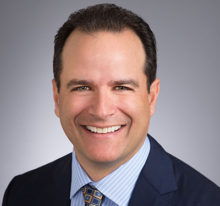 Mike Guerra is President and CEO of California Life Sciences (CLS), California’s most influential life sciences trade association, representing more than 1,300 member companies. He chairs the Council of State Bioscience Associations and sits on multiple industry boards, working to advance California’s position as the world’s leading life sciences innovation ecosystem. Mike champions effective public policy at the national, state, and local levels, and is a steadfast advocate for the entrepreneurs and businesses driving life sciences forward in California.